MISSION 4
AI for Good
How can technology help us support each other?
Welcome back, explorer!
Last time, you stepped inside the Machine Mind and saw how AI learns from patterns.
Today, you’re entering a brand-new district of Digital City:
The Creative Tech Studio
A bright, buzzing makerspace filled with holographic art boards, floating music loops, and glowing accessibility tools.
Here, AI is not something to fear. It’s a tool humans shape for creativity, learning, and community.
How can AI help us imagine, create, include, and support one another?
That’s the mystery of this mission.
Spin the Wheel of Good Ideas!
In this starter activity, you’ll see a few questions to think about before jumping into the mission.
Take a moment to reflect. Your answers will help you get more out of what’s ahead.
Field Notes for Earth Command
How AI Supports Creativity and Community
Now you’re entering the Creative Tech Studio, where AI is used to help humans imagine, learn, create, and connect.
This mission asks a simple but powerful question:
How can AI become a tool for creativity and community, not a replacement for humans?
“AI for good” means using technology to:
- support creativity
- make learning easier
- remove barriers
- include many voices
- help communities
- protect people and creators
Across trusted guidance on AI in education, one message repeats:
AI helps most when humans guide it with care, purpose, and community values.
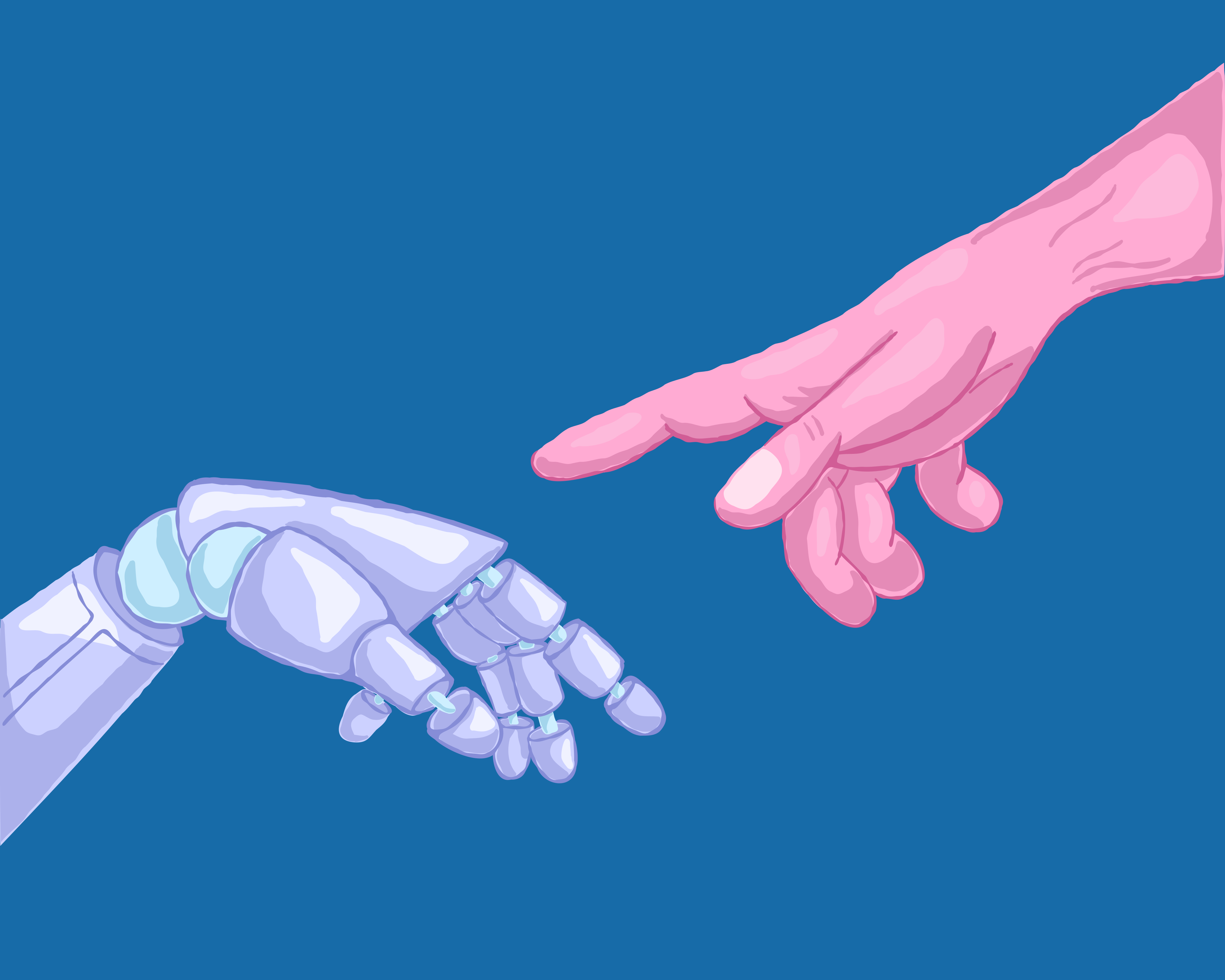
AI can suggest color palettes, help draft layouts, remix visual styles, or test lighting ideas, but the artist still chooses the mood and message.
AI can brainstorm characters or settings, but it waits for your imagination to shape the plot.
AI can offer beat variations, explore layers, or help beginners experiment, while humans decide the emotion, rhythm, and purpose.
AI can help designers explore lighting, shadows, costumes, and scene layouts, expanding creative possibilities without replacing artistic judgment.
AI helps spark creativity by offering possibilities, like suggesting ideas, testing different options, unlocking new styles, and helping beginners explore, instead of giving finished answers.
It supports creativity by giving artists, writers, and learners more ways to explore and experiment.
The best innovation happens when many voices help shape how the tools are used. Different cultures and Indigenous perspectives also remind us that creativity can look different depending on where you come from.
AI shows possibilities. Humans choose meaning.
Speech-to-text tools help turn spoken words into text so more learners can follow along in the way that works best for them.
Auto-captions make videos and lessons accessible for people who need visual support.
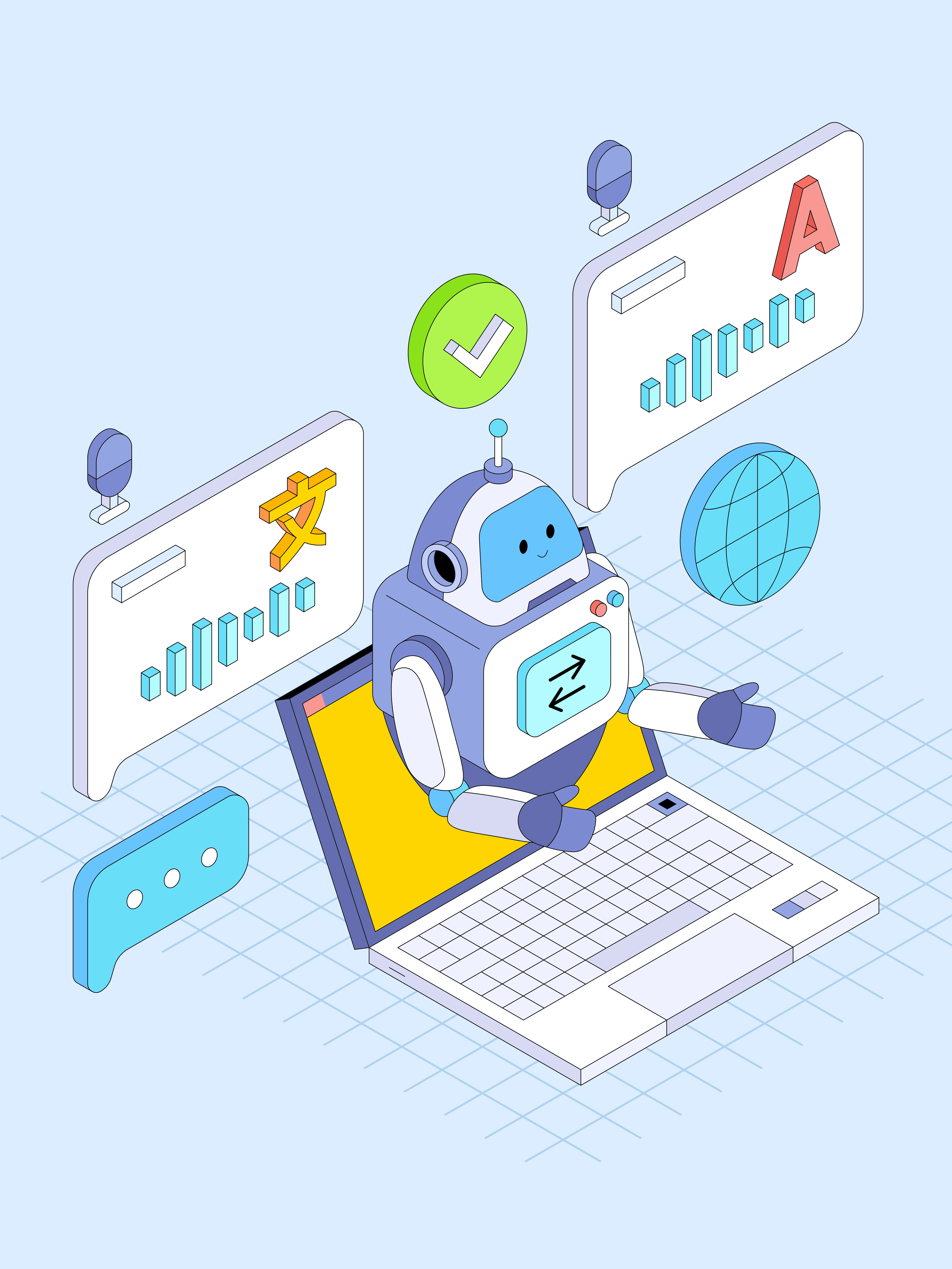
Translation tools helps people who speak different languages understand each other.
Reading supports help learners explore texts in ways that fit their strengths.
Adaptive controls make games and digital activities accessible for different bodies and minds.
AI should remove barriers, not add them.
It can support diverse learners, multilingual classrooms, and anyone who needs information in a different form.
These tools help more people take part, building confidence, inclusion, and a sense of belonging.
AI should be used in ways that are safe, fair, and helpful for everyone.
AI invites more people into the room, not fewer.
- Brainstorming ideas
- Practicing languages
- Getting hints when stuck
- Adjusting reading levels
- Supporting multilingual classrooms
AI can help you explore new ideas, get extra support, and learn in ways that fit their needs.
AI should support learning, not take over.
- AI helps with creativity and learning tools.
- It does not replace teachers.
- Human relationships and connection always come first.
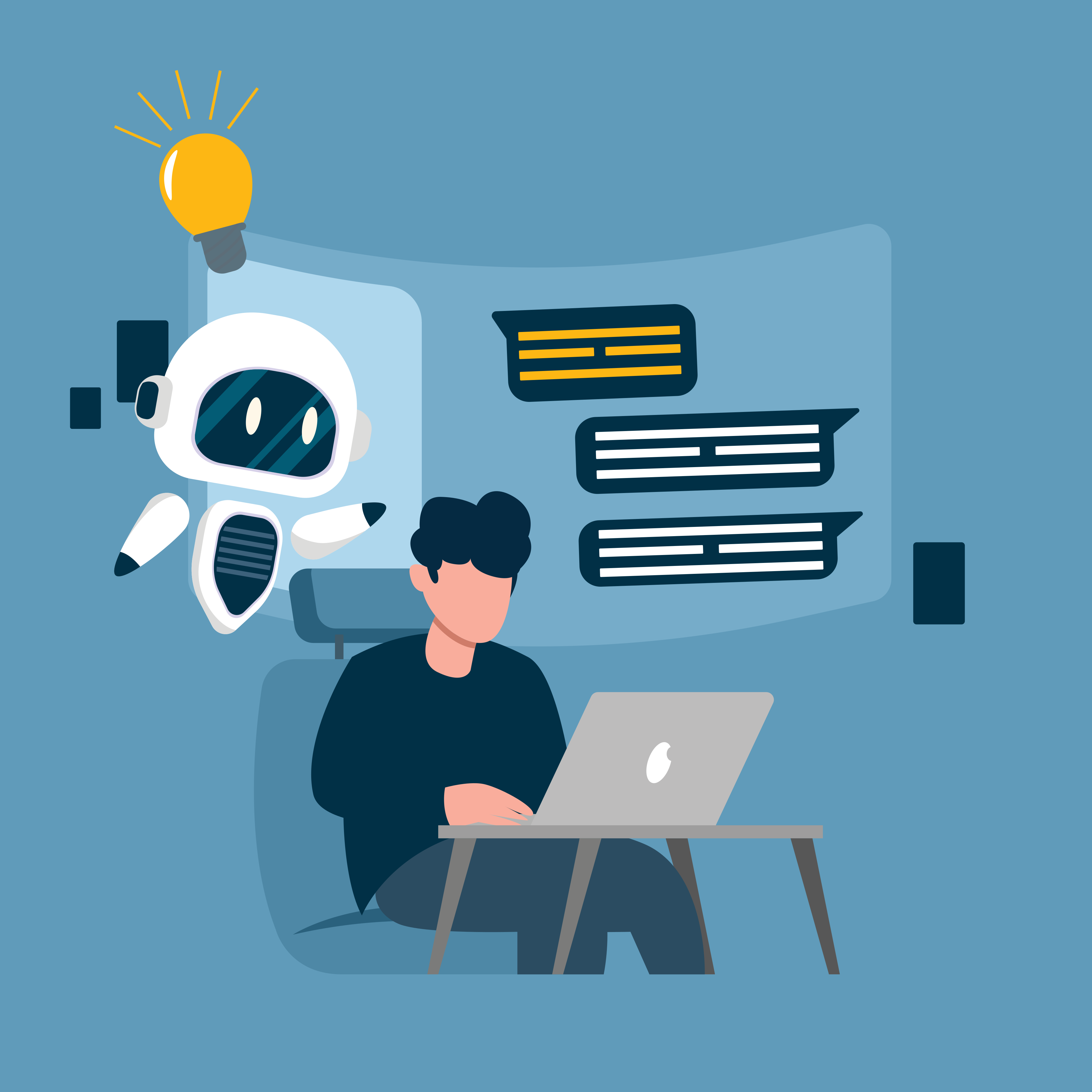
AI is a teammate, not a leader.
This means AI works best when teachers and learners decide how and when to use it.
AI can help personalize learning or reduce busy work, but humans still make the choices, set the goals, and shape the learning experience.
Innovation becomes stronger when it is shaped by many cultures, communities, and perspectives.
This is called co-design.
This means technology is better when many voices help shape it, like students, teachers, creators, and communities.
It also means:
- You have a say in how tools are created.
- Creators are protected and their work is valued.
- Communities help shape the tools they will use.
- Decisions are based on real human needs, not just technology.
Different cultures remind us that learning and creativity look different for everyone, so technology should reflect many perspectives.
Innovation is a team activity, not a solo invention.
As we just discussed, different cultures see creativity and intelligence in their own ways. What counts as "creative" and "smart" is not the same everywhere. It depends on community values, traditions, and ways of understanding the world.
Because of this, helpful AI should:
- Reflect many kinds of knowledge, because no single culture or perspective can represent everyone's way of thinking
- Be shaped by communities, so the tools match real needs and what matters to people in that place.
- Support local values and ways of learning
- Respect different cultures and strengths
Indigenous perspectives remind us that:
- Knowledge is connected to the land, and learning often comes from place and environment.
- Relationships matter, and creativity often grows through family, community, and shared experiences.
- Responsibility to community is important, and technology should support those connections.
- AI becomes more meaningful when it honors these ways of knowing, instead of replacing or ignoring them.
If AI were designed in your community first, what would you want it to help with?
Technology becomes meaningful when it reflects people and place.
Escape the Creative Tech Studio
Proceed to Mission ReportReflection Log
What Does “Good AI” Mean to You?
Explore how AI can strengthen your world, with humans leading the vision, the values, and the creative direction.
Next Mission