MISSION 6
The Ethics Arena: Humans vs. Machines
“Who should make the final call?”
You’ve seen where AI lives in Digital City, how it learns from patterns, how it can help, and how it can go wrong in the Glitch Zone.
Now you step into a new chamber:
The Ethics Arena
also called the Decision Dome.
The AI systems hum quietly, waiting for instructions, but they don’t know what “right” or “fair” means.
AI can make predictions.
But it cannot choose values.
That’s your job.
This mission is all about ethics and human responsibility:
- Who should stay in charge when AI is involved?
- How do fairness, transparency, empathy, and culture shape our choices?
- When should AI help, and when should humans say “No, that’s my decision”?
Today’s big idea:
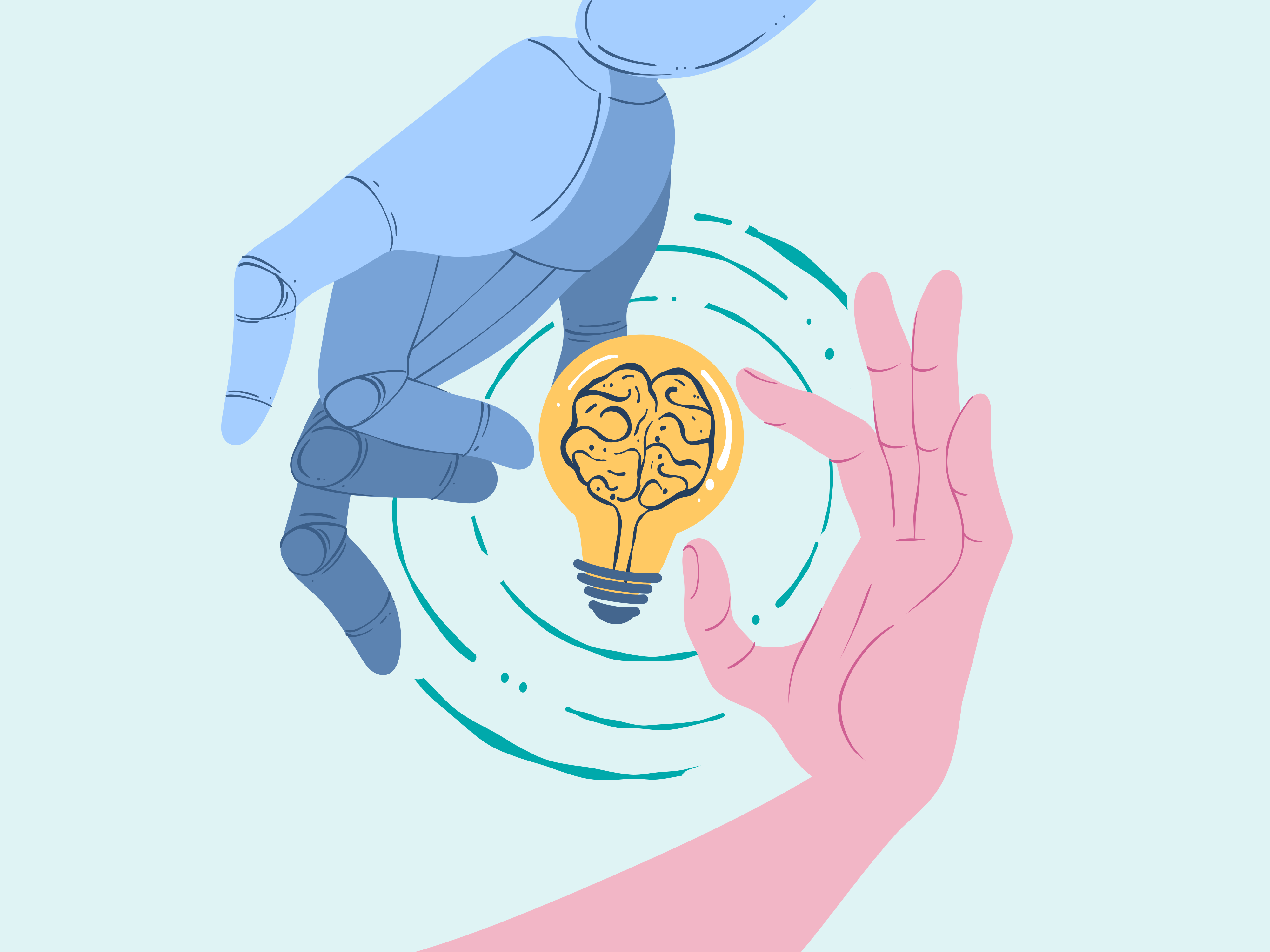
AI doesn’t make moral decisions. People do.
Two False, One True: Spot the Real Ethical Rule
Field Notes for Earth Command
How AI Thinks (and Learns)
Who should decide? What’s fair? Who is responsible?
Today’s big idea: AI doesn’t make moral decisions. People do.
Think of ethics as the “What’s the right thing to do?” part of technology.
- calculate
- predict
- match
- sort
- fairness
- kindness
- bias & harm
- community values
- cultural knowledge
- relationships
- responsibility
Those are human concepts.
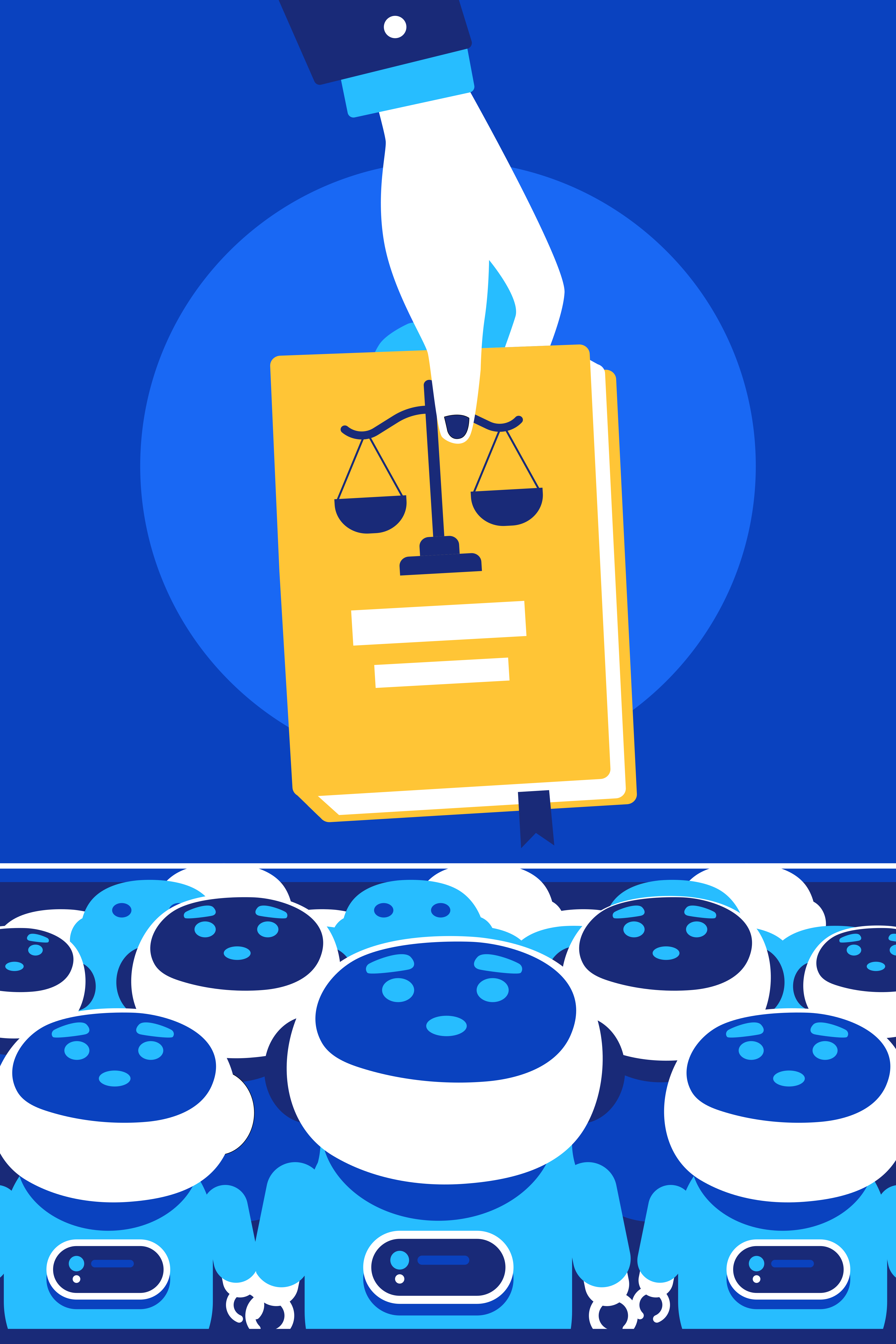
AI must always stay under human oversight.
If AI helps make a decision, humans must check that decision.
Ethics = humans thinking carefully about impact.
AI systems learn from the world.
But the world isn’t always fair.
That means AI can accidentally copy patterns that were already unfair, like:
- Search engines boosting stereotypes
- Facial recognition tools struggling with darker skin
- Risk-scoring tools treating some groups as “more dangerous”
- Languages, stories, and community knowledge being left out or misrepresented
- One cultural idea of “intelligence” shaping what AI sees as “smart”
This is why fairness is something humans must build:
- using diverse datasets that reflect many different communities
- inviting the people most affected to help design and guide the system
- including reviewers who understand cultural, linguistic, and historical context
- setting policies that put respect, safety, and care above speed or convenience
AI won’t fix itself.
If humans don’t question and correct bias, it keeps spreading.
You deserve to know when AI is being used, what it's doing, and why.
Ethical AI use includes:
- clearly showing when AI is active
- explaining what it does with data
- allowing people to question, correct, or override decisions
- giving users a way to ask: “Where did this come from?”
If an AI system is hidden, confusing, or impossible to explain:
- ❌ it is not transparent
- ❌ it is not trustworthy
- ❌ it shouldn't make decisions about people
If you can’t explain how a decision was made, don’t give it all your trust.
AI cannot:
- understand feelings
- choose values
- build trust
- model empathy
- see full context
- sense when something is harmful
- care about consequences
Those are things only humans can do.
Human hold:
- relational knowledge
- emotional understanding
- long-term responsibility
- cultural and community insight
- the ability to decide what "good" or "fair" should mean
AI can support learning, creativity, or communication, but it can’t replace human judgment, the relationships we build, or the care we show one another.
If AI can assist but not understand, then every ethical scenario leads back to one key decision:
Should AI decide this... or should a human?
Across the resources you gather, responsibility keeps showing up:
- People are responsible for AI-assisted decisions.
- People must check for harm before using AI widely.
- People must document and review how tools were tested.
- People must pause, change, or stop AI when problems appear.
Because AI will not:
- flag its own mistakes
- say “This is hurting someone”
- decide “This isn’t fair”
That’s why you carry responsibility:
- checking sources
- noticing weird or harmful claims
- asking “Where did this come from?”
- pushing back when something feels off
- admitting when AI helped you
These choices protect your learning, your community, and your integrity.
Ethics is not one universal setting. It depends on culture, context, and community.
Ethical AI needs:
- flexibility
- cultural relevance
- space for multiple worldviews
These values highlight relational accountability:
thinking about how each choice affects people, land, and relationships.
This raises an important question:
Who gets to define “right,” “fair,” and “good” for AI?
Whose voices are missing from that table?
Here’s the observation note for this mission:
- AI is powerful, but not wise.
- Ethics are human-made guardrails.
- Fairness needs intentional design.
- Transparency prevents hidden harm.
- Relationships and empathy keep learning human.
- Culture shapes what “good” means.
- Human oversight is essential.
- People (not machines) remain accountable
AI can help you think, but it can’t decide who you want to be.
That will always be your job.
THE ETHICS SWITCHBOARD
Proceed to Mission ReportReflection Log
The Lines AI Cannot Cross
Decide which decisions belong to AI, and which must stay human.
Next Mission