MISSION 1
Welcome, Agent. Your First Assignment Awaits.
“What’s Real, What’s Robot?”
Agent, you’ve just arrived from Earth at the gates of Digital City, a vast world powered by everything from simple circuits to advanced AI.
Your mission: Figure out what in this city is truly “intelligent”… and what’s just pretending.
Before we can design safe, fair, smart AI back home, we need to understand how AI already works out here.
Every mission you complete will send vital intel back to Earth Headquarters.
Open Mission Entry Gate
Swipe Right for AI
Agent, your scanner is online. AI tools in Digital City learn from patterns.
Others follow simple rules and look smart, but aren’t.
No pressure. You’re here to observe, test, and learn.
Swipe right if your detector flags AI.
Swipe left if it's not.
If dragging the picture doesn’t work, try dragging the white card instead.
Enter Main OperationsField Notes for Earth Command
How AI Really Works
You now have access to the Earth Intelligence Codex, the handbook explaining how artificial intelligence operates inside Digital City. Let’s break it down.
AI is a digital learner. It doesn’t think or feel like humans, but it does:
- learn from lots of examples
- make predictions or generate outputs
- spot patterns
A calculator knows 2 + 2 = 4 because someone programmed that exact rule.
An AI knows what a “dog” looks like because it has seen thousands of dog photos, learned the patterns, and can recognize new ones it has never seen before.
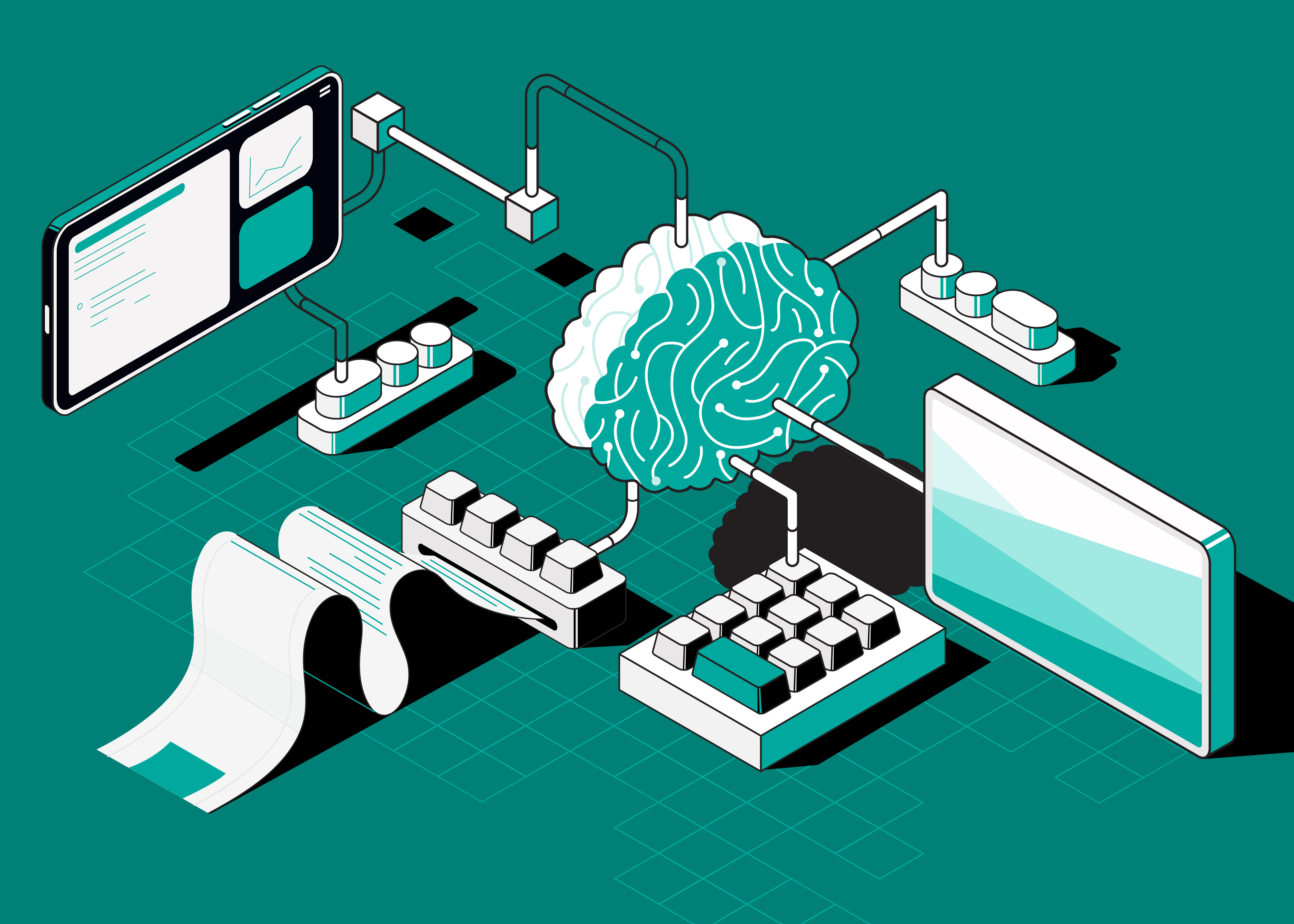
You can think of it like this:
AI = Humans + Data + Patterns + Decisions
AI doesn’t “understand” like a person.
It finds patterns in data that humans chose and uses those patterns to make guesses.
That’s why:
- your music app suggests the next song you might like
- your phone auto-suggests the next word or fixes your spelling
- your filters track your face
- your search results are ranked in a certain order
- your art app can fill in your doodle
All of those are AI systems learning from data and making predictions.
Old-School Tech
(Rule-follower)
AI Tech
(Pattern-learnener)
Follows exact rules
Learns from data
Same output every time
Changes as it learns
Easy to see how it works
Harder to see Why it made a choice
If this happens → do that.
The machine does the same thing every time.
In AI systems, humans still design the rules, but instead of writing out every tiny step, they:
- give the AI lots of examples,
- let it learn patterns,
- and ask it to make predictions.
Agent example:
Regular thermostat
Smart thermostat
If temperature is below this number → turn heat on.
- watches what time you usually get home
- notices which rooms you use
- learns what temperatures you seem to like
- predicts what setting will keep you comfortable
Same result every time.
Learns and adjusts over time.
AI might sound futuristic, but your Earth missions already cross paths with it all the time:
- 🎮 Games: NPCs that adapt to how you play
- 📱 Social feeds: “For You” pages guessing what you’ll like next
- 🎧 Music & video apps: personalized playlists and recommendations
- 🗣️ Voice assistants: turning speech into text and answering questions
- ✍️ Autocorrect & predictive text: fixing spelling and suggesting what you might type next
- 🔍 Search ranking: deciding which results show up at the top of your search
- 📸 Filters & AR effects: tracking your face and adding effects
- 🌐 Translation & captions: turning language and speech into accessible text
Most of the time, AI is invisible.
It’s working quietly in the background, learning from patterns and nudging what you see and do.
Different AI systems do different kinds of work, some recognize images, some generate text, some rank content, some translate language, but they all depend on data + patterns + human decisions.
Here’s the most important intel in your briefing:
AI doesn’t run itself. Humans run AI.
People decide:
- what data to use
- what problems AI should try to solve
- what counts as “good” or “wrong” answer
- when and where AI is safe to use
Organizations and communities also create rules and policies to make sure AI:
- stays transparent (people should know when AI is being used),
- supports human decision-making instead of replacing it,
- protects creators, cultures, and communities,
- should help us think, not think for us.
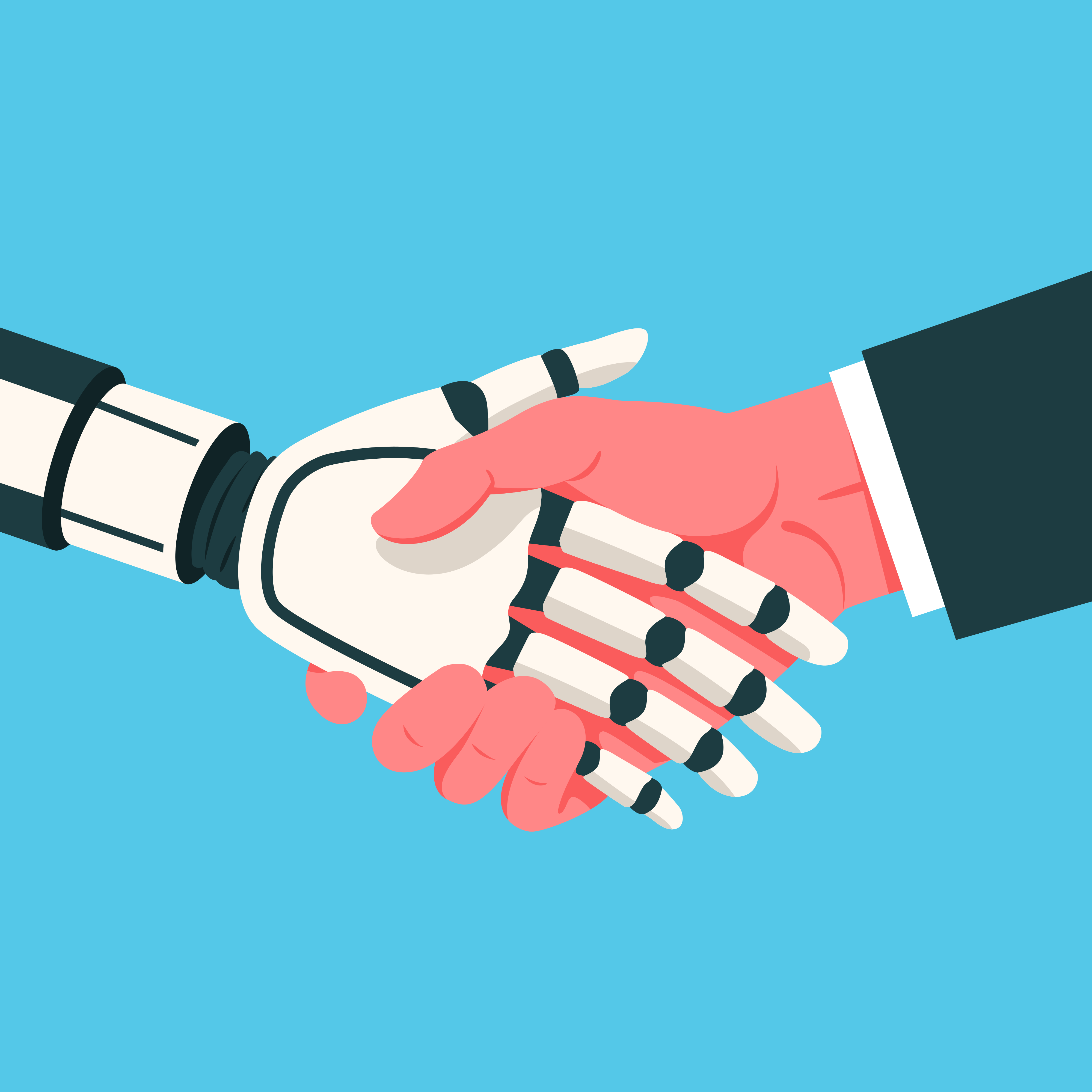
AI is powerful, but it is still a tool.
The responsibility belongs to the humans who build it, train it, and choose how to use it.
One last question for this mission, Agent:
Whose version of intelligence is built into AI?
Most AI systems are trained on data from only a few regions, cultures, and languages.
That means AI might miss:
- languages and stories from all over the world
- Indigenous knowledge
- Community wisdom and lived experience
- Land-based ways of knowing
- Cultural values like cooperation, respect, or responsibility
Inuit Qaujimajatuqangit (IQ) principles teach that intelligence includes respect, relationships, and responsibility, not just prediction or speed.
AI works best when it includes many perspectives from around the world.
Hidden AIs in the City
Proceed to Mission ReportReflection Log
What Did You Notice?
To finalize Mission 1 and send your intel back to Earth, record your reflections: