MISSION 2
Agent, Your Time-Travel Clearance Is Approved
“From Myths to Machines”
Agent, your first report from Mission 1 reached Earth Headquarters safely.
Now Command is sending you somewhere even stranger:
The Time-Travel Tech Lab
(A hidden wing inside Digital City where history, myths, and prototypes all run at once)
AI didn’t suddenly appear. It’s part of a long human story filled with:
- imagination and myths
- curiosity and problem-solving
- creative experiments
- big, sometimes risky questions about what it means to “think”
In this mission, you'll see that AI is a story humans have been building for generations, and you're stepping into the next chapter as one of its investigators.
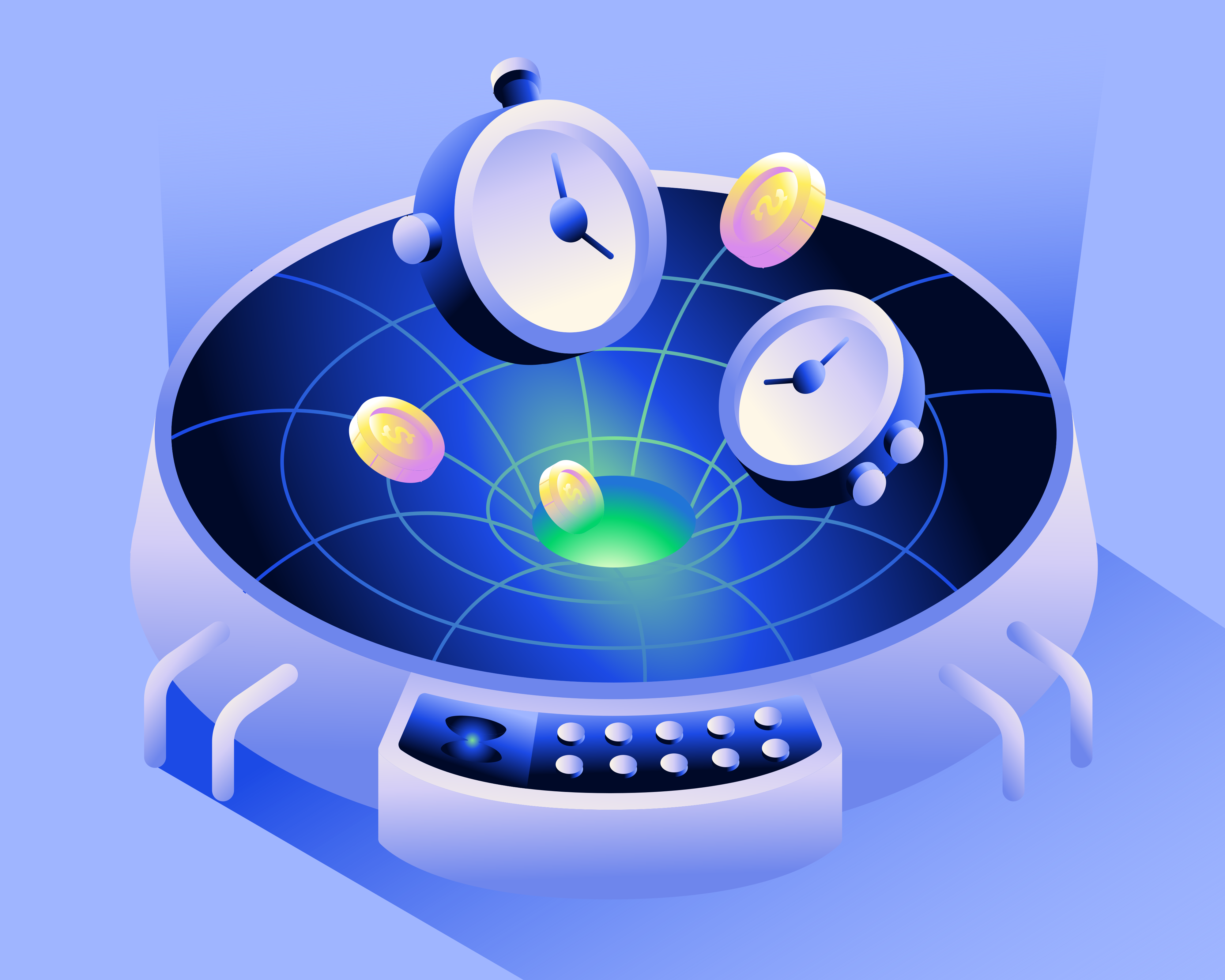
Time-Travel Launch Pad
Field Notes for Earth Command
How It All Began
AI isn't brand-new. It's part of a long human story filled with curiosity, creativity, and a lot of bold guesses about what it means to think.
Long before code, servers, or chatbots, humans were already imagining intelligent helpers.
- Stories described statues that could move or speak.
- Inventors built early machines like clockwork birds, chess-playing dolls, and writing automata.
- These devices weren’t truly smart—no learning, no data—but they showed something important:
Humans have always imagined tools that could share some of their thinking work.
Why this matters for your report:
- These early dreams prove that AI has a human story.
- Each generation imagined tools that could think or create — long before anyone used the word “algorithm.”
Time-jump to the 1940s–1950s.
- Room-sized computers were built to do calculations for science and war.
- Mathematician Alan Turing asked a radical question:
“Can a machine think?”
That question launched the first wave of AI research.
Early programs could play checkers or solve logic puzzles, but they still relied on fixed rules humans typed in.
Key idea for Agents:
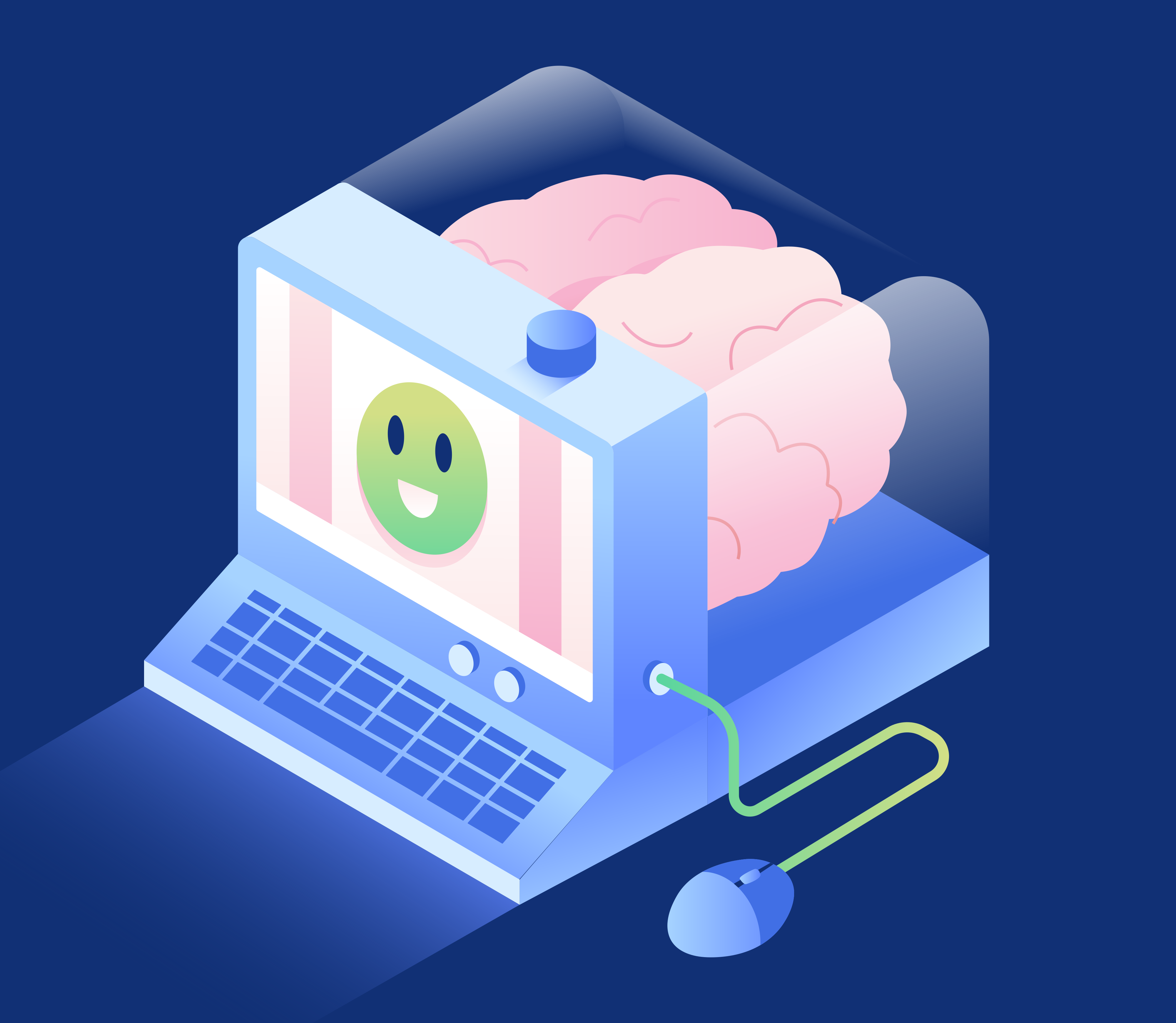
- These pioneers weren’t chasing magic; they were testing how far logic and code could go.
- Early computing focused on efficiency and control, not yet on creativity or fairness. This means the first wave of innovation wasn’t neutral.
By the 1980s, scientists realized something big:
If machines were ever going to feel “intelligent,” they would need to learn, not just follow static rules.
So they built early neural networks:
- Programs inspired (loosely) by how the human brain works
- Systems that could learn from examples, not just from “if this, then that” rules
Fast-forward to now:
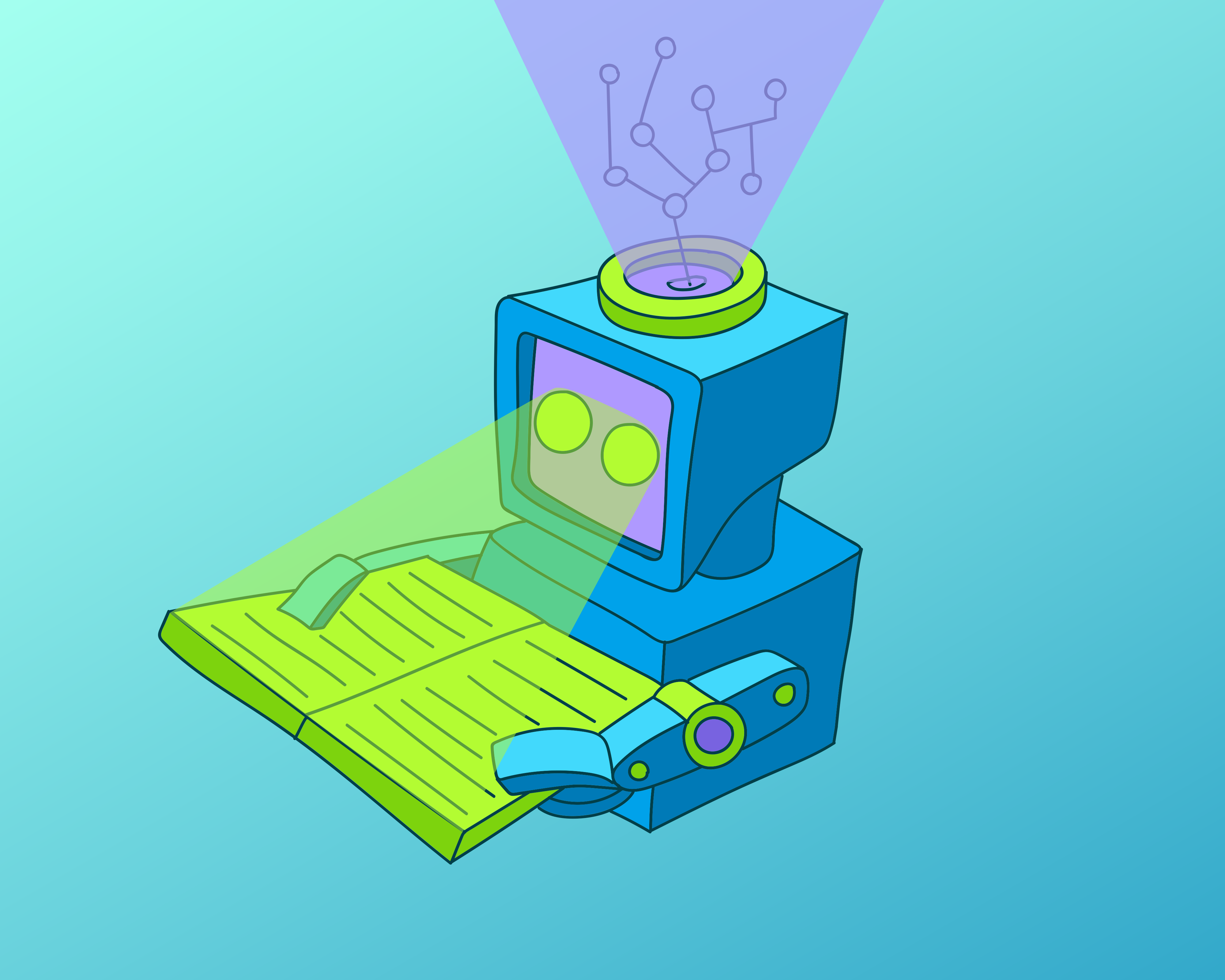
- Modern machine learning and generative AI tools spot patterns in huge datasets.
- They can generate new text, images, music, and code based on what they’ve learned.
You can think of AI’s journey as:
Following Commands → Learning From Data → Creating New Things
…always guided by human imagination and human choices.
Cultural check-in:
Who decides what data the machine learns from?
- Data reflects human choices about what gets included and what gets left out.
- More diverse examples make AI fairer and more flexible.
- Narrow data can make AI powerful for some people and unfair to others.
As technology evolved, it stepped onto the stage, the screen, and the canvas.
- Artists started using code to generate visual patterns and music.
- Writers experimented with programs that could co-write scenes or dialogue.
- Designers used AI tools to explore lighting, layout, and style.
Fun Fact: The first AI-generated play was performed in the Czech Republic in 2021!
Every creative experiment reminded people:
AI doesn’t replace imagination.
It extends what humans can do, if humans stay in charge.
For your report, Agent:
- These creative tools are examples of co-creation: humans steering AI toward cultural, emotional, and artistic goals.
- This matches the principle you saw in Mission 1: keep the human in it.
Now, a critical piece of intel.
Most of the famous AI history you see in textbooks and media comes from:
- big labs
- powerful companies
- research centers in only a few parts of the world
But there are many other ways to define "intelligence":
- Some communities see intelligence as relational (how well you care for others)
- Some focus on responsibility to land and ancestors
- Some value cooperation and balance more than speed or profit
If AI had been invented first in your community, what would “smart” have meant?
- Fast and efficient?
- Kind and cooperative?
- Safe and respectful?
As an agent, you’re not just learning the official story.
You’re also noticing whose knowledge is missing and how future AI could be guided by more than one worldview.
Every milestone in AI's timeline wasn't just a technical achievement. It was a human decision.
- Curiosity sparked the logic age
- Imagination shaped the first dreams of AI
- Data unlocked learning machines
- Global creativity pushed AI into art and storytelling
- Ethics and responsibility guide what AI should become next
AI didn't begin neutral. It began with human hopes, limits, questions, choices.
Knowing this history helps you see AI as changeable, not fixed.
It shows that every system could be redesigned to be fairer, safer, and more human-centered.
Remember, Agent. AI is not magic, and it’s not finished.
It’s a long-running experiment in curiosity, logic, and creativity that humans have been building for generations.
You are now part of that story.
AI Legends: Battle of the Inventions
Proceed to Mission ReportReflection Log
What Did History Teach You?
They’re framed as part of your report back to Earth Headquarters.
Next Mission